
Chronicle · Cochabamba
Bolivia trains its first CERT trainers
Five intensive days at UMSS turned 25 leaders from seven departments into the country’s first certified emergency-response trainers.
The context
Rural and Indigenous communities in Bolivia face growing threats: wildfires, landslides, floods and extreme weather. Yet professional emergency services frequently cannot reach these communities in time.
CERT is not an experiment: born in Los Angeles in 1985, a national US program under FEMA since 1993, it has trained more than 600,000 people. In February 2026, Bolivia became the newest country to adopt the model — adapting it to its own rural and Indigenous reality.
What we did
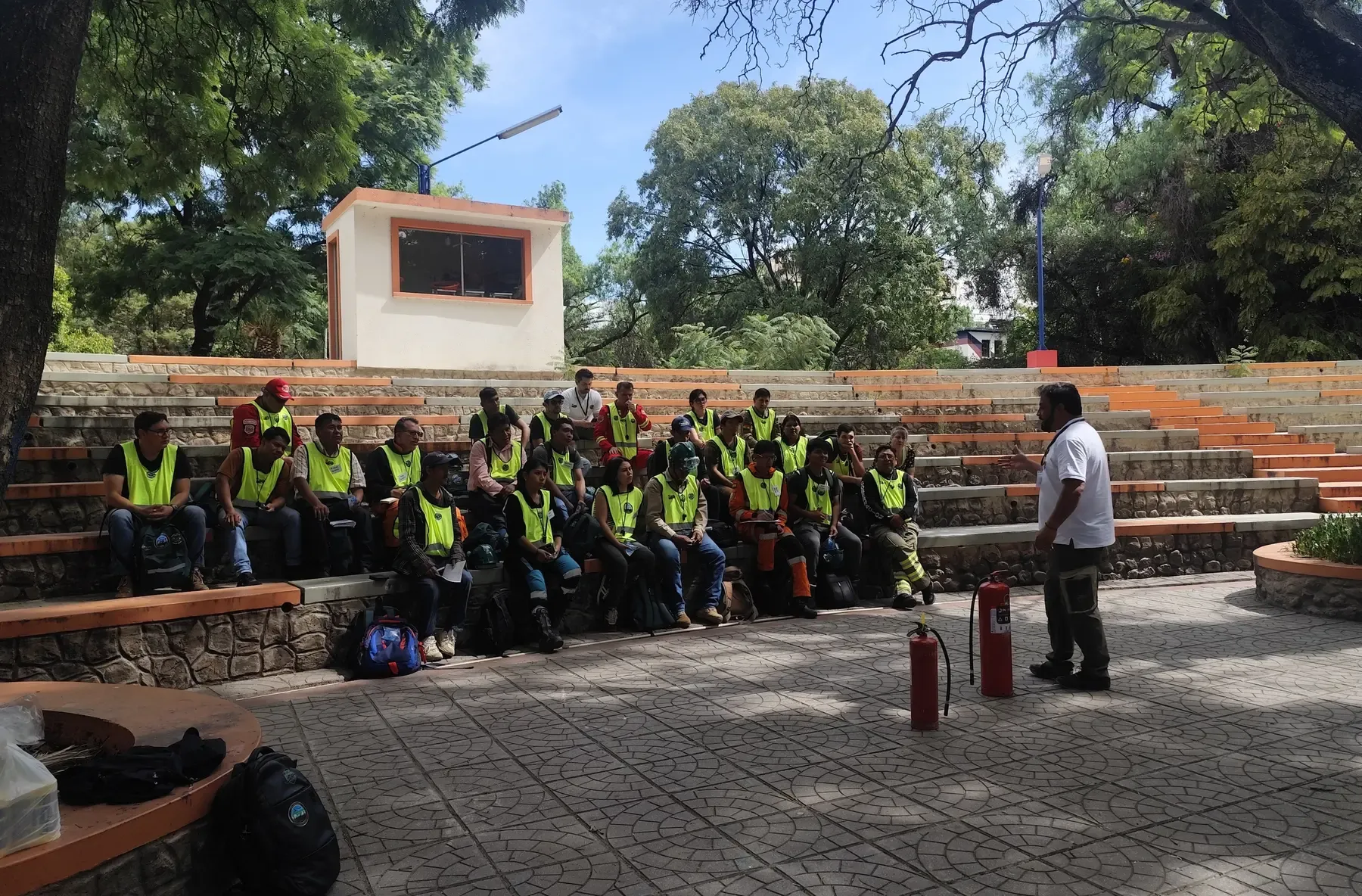
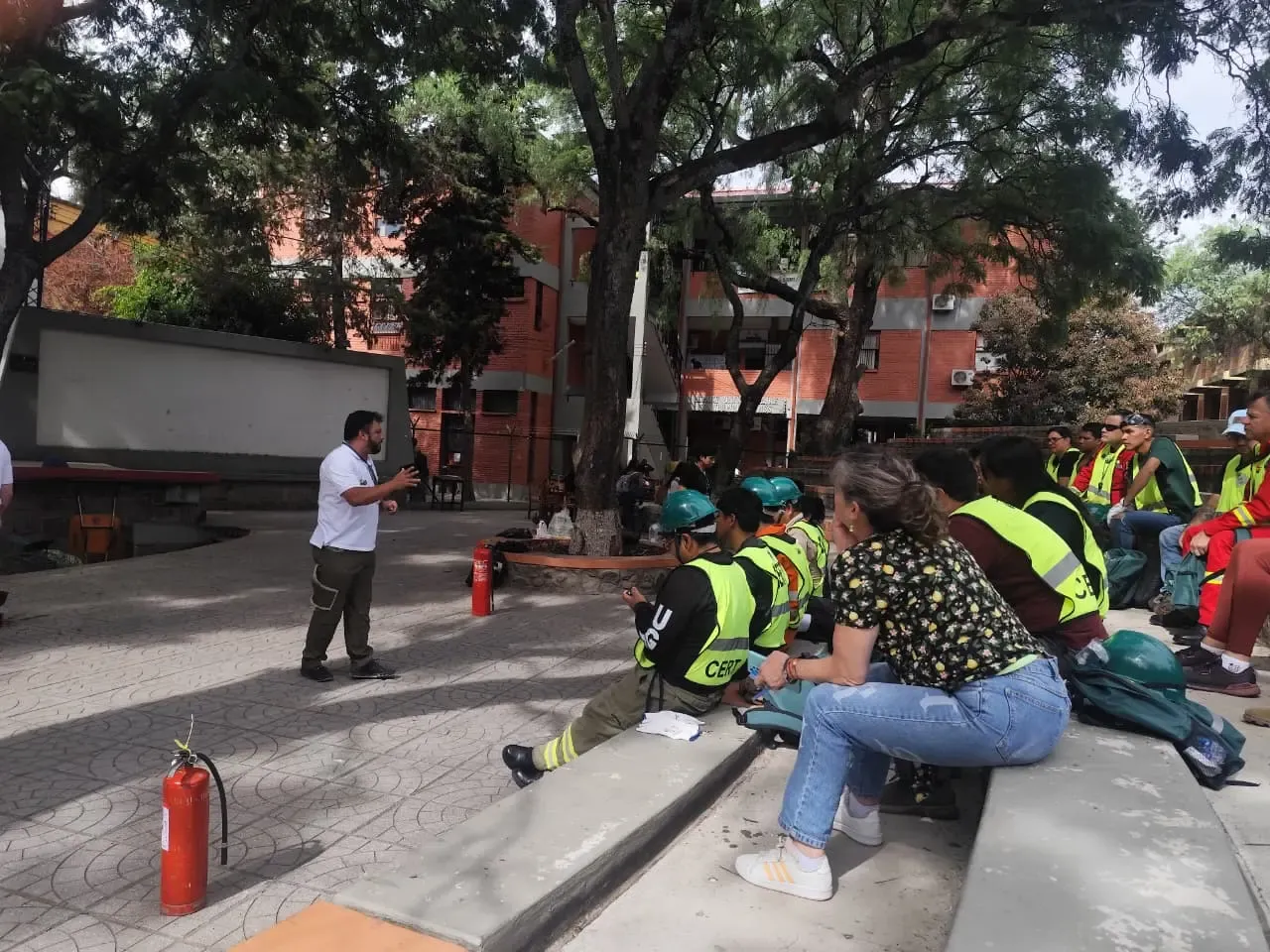
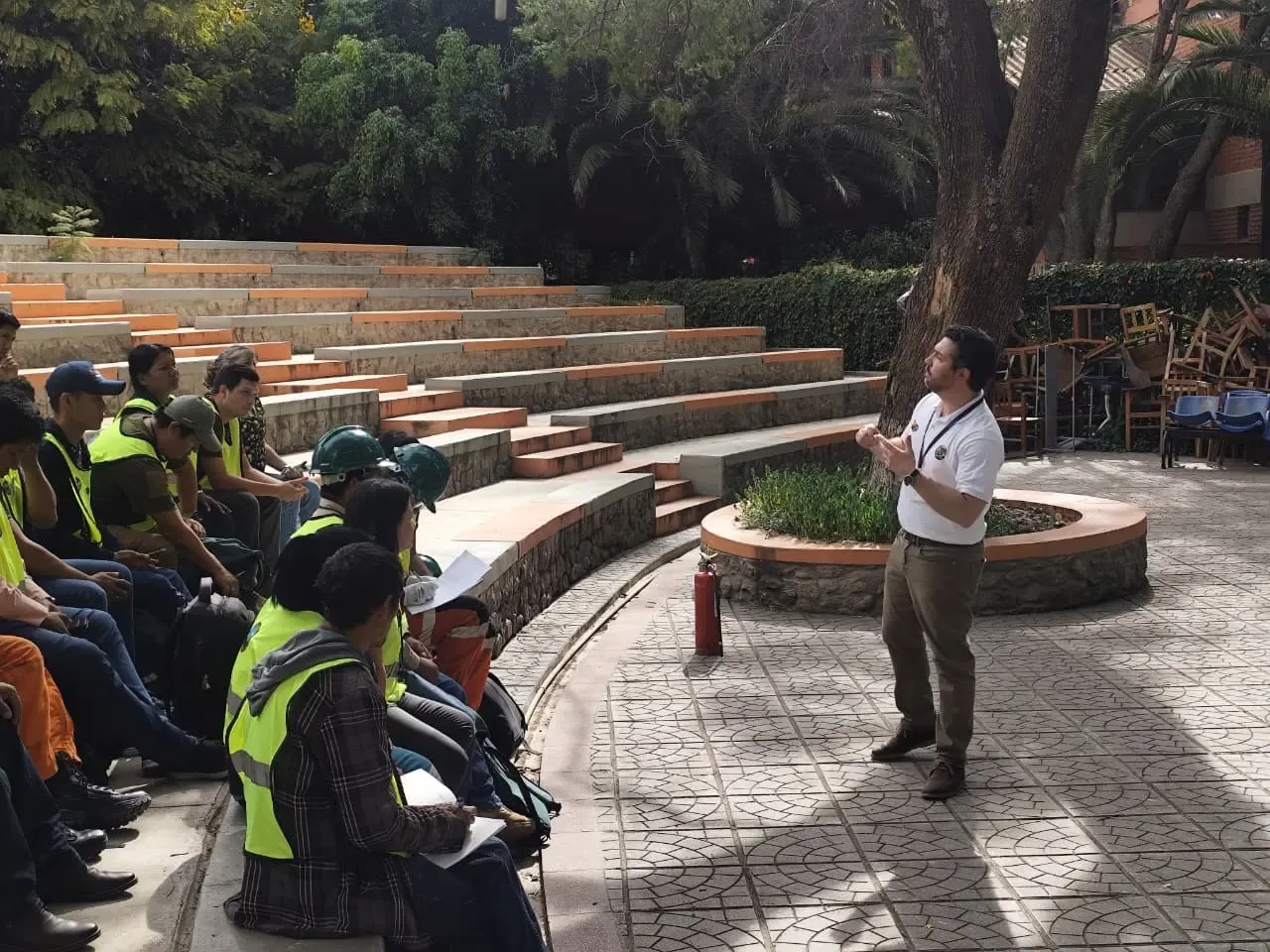
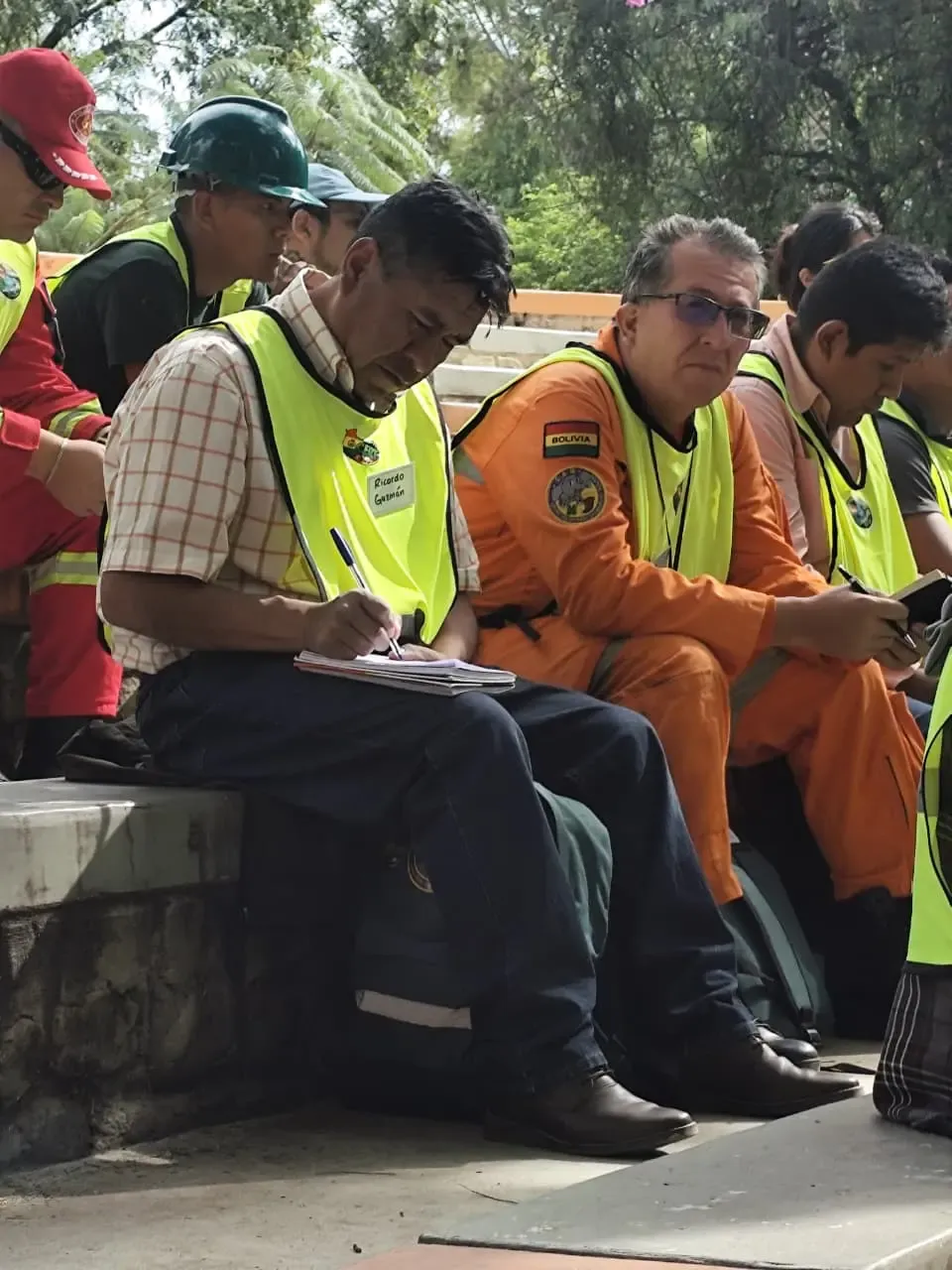
From February 23 to 27, 25 participants from seven departments gathered at Universidad Mayor de San Simón for Bolivia’s first CERT Train-the-Trainers (TTT) course: 40 intensive hours of theory and practice.
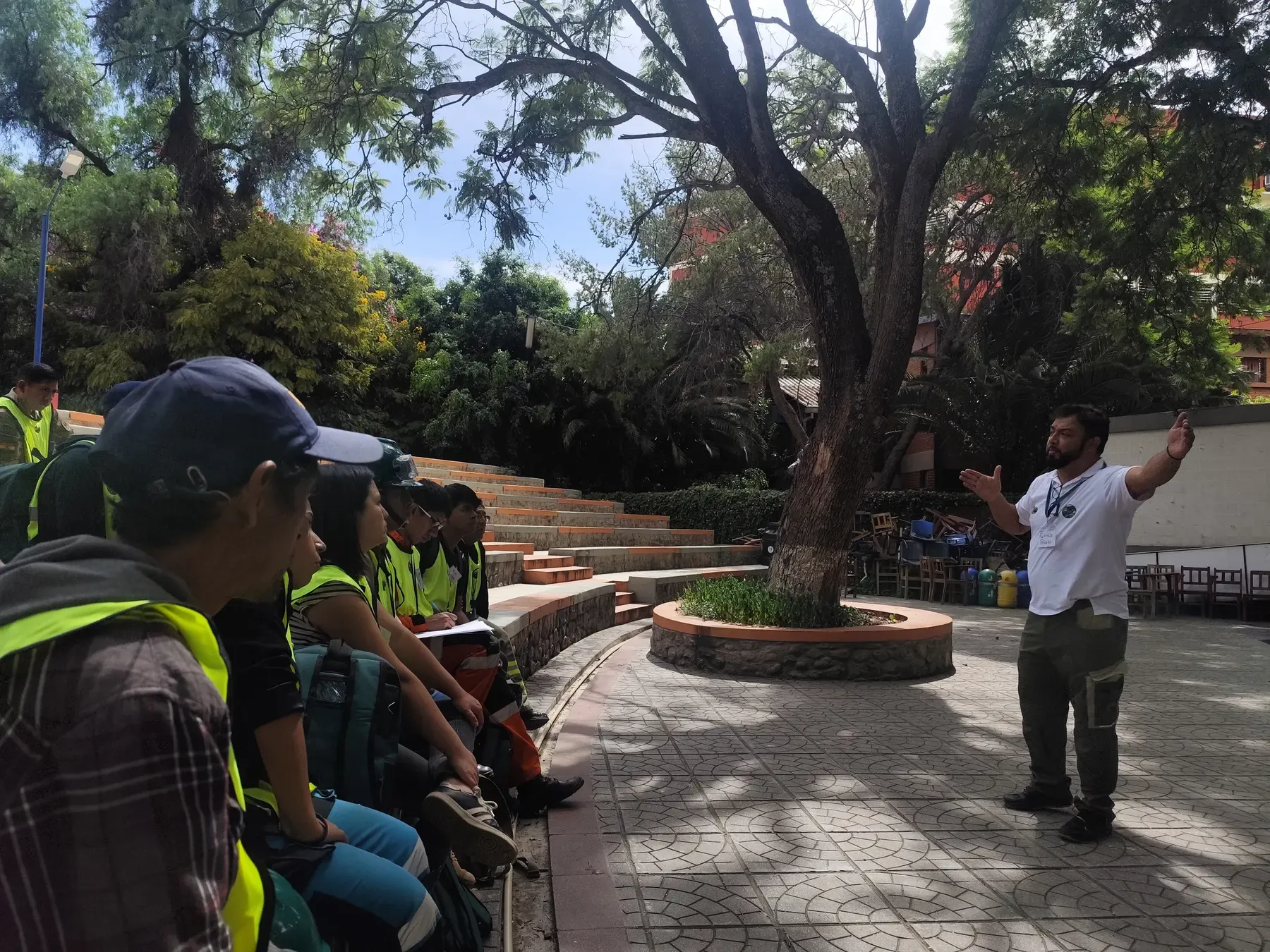
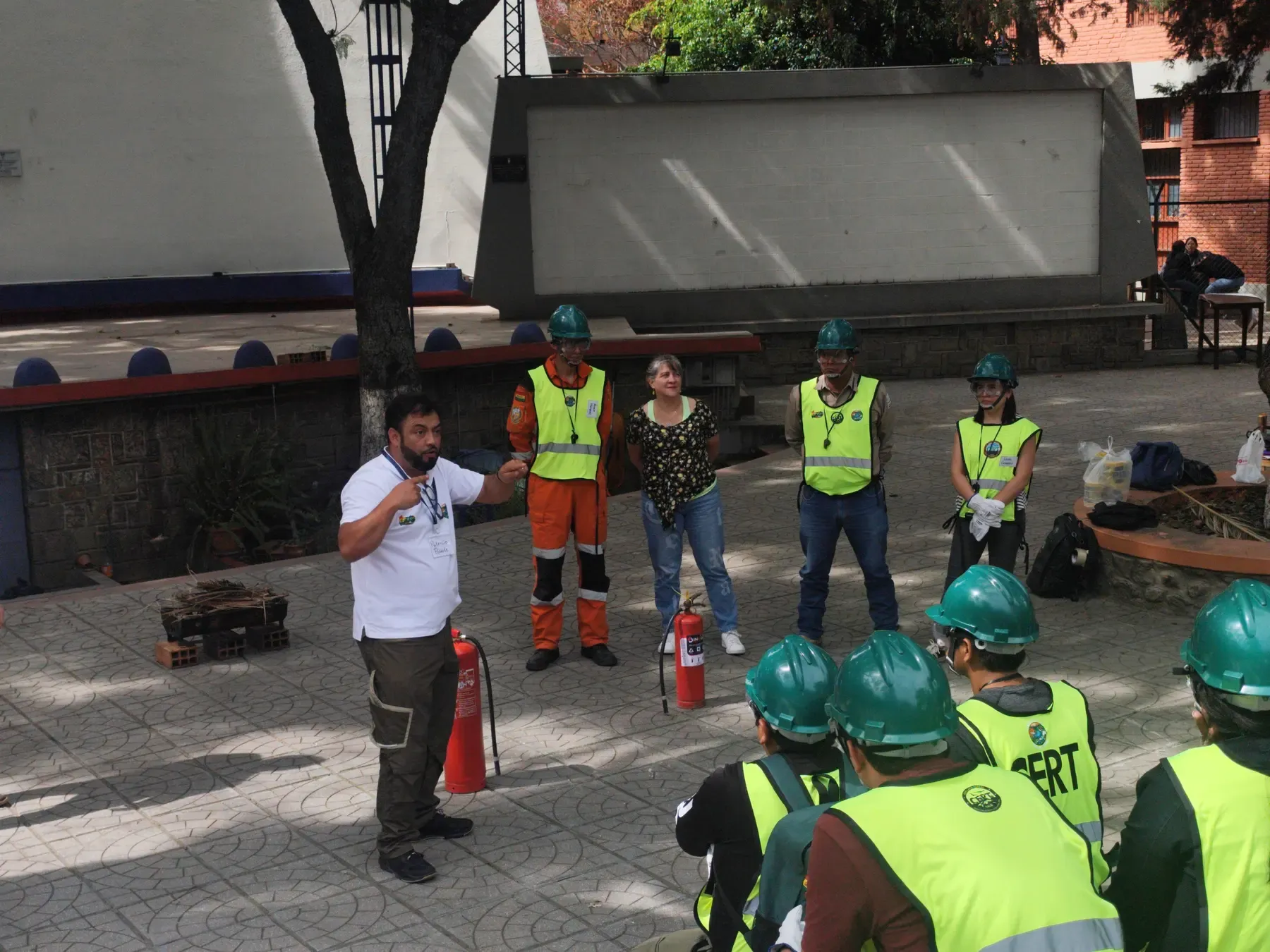
The training was led by Matt Lyttle, emergency management specialist and former FEMA official, and Patricio Poblete Saavedra, director of CERT Latin Global. The original budget planned for 12 participants; it was expanded to 25 to allow real team exercises, with support from the Cochabamba Fire Department, SAR Bolivia and the regional government.
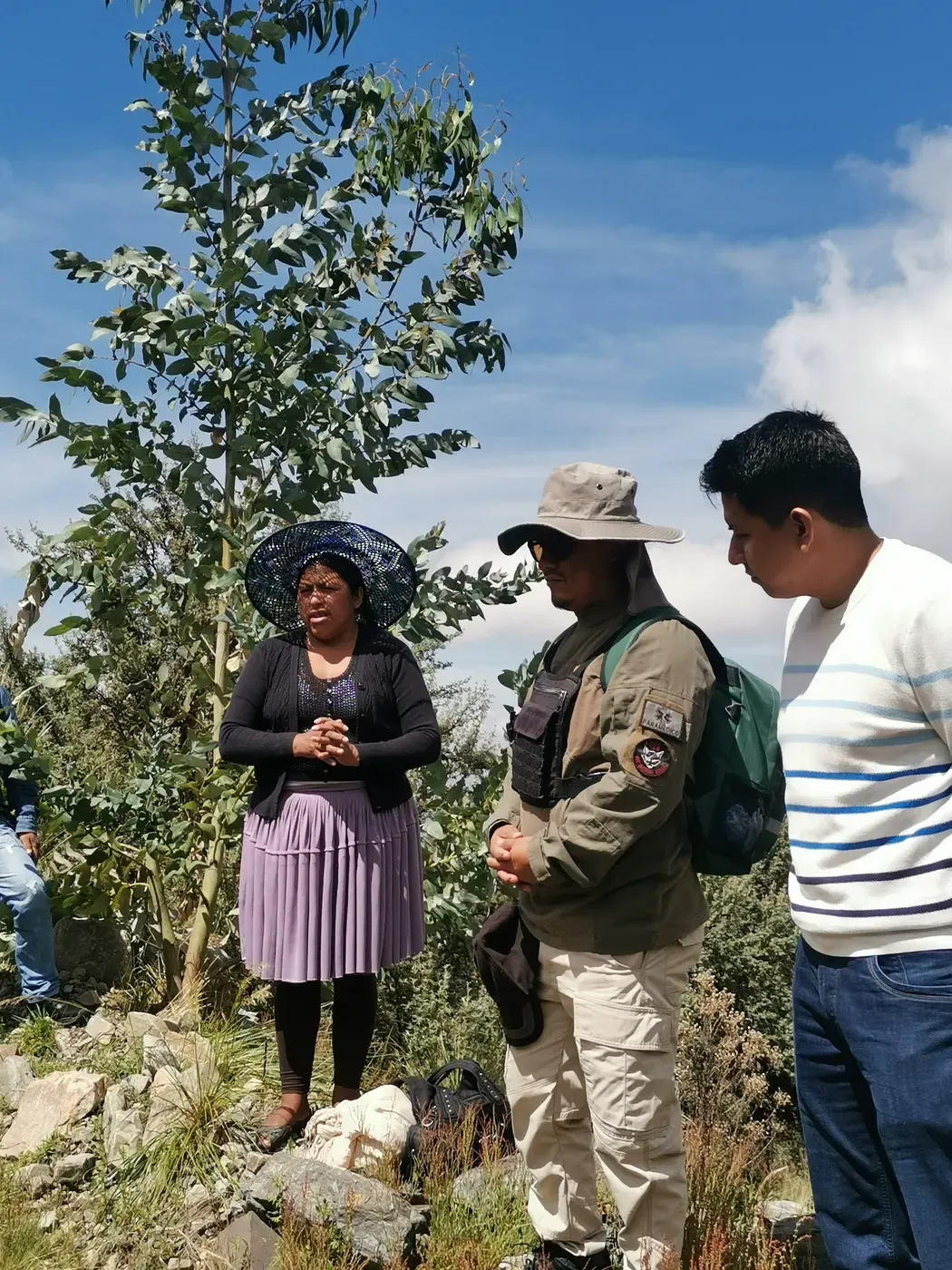
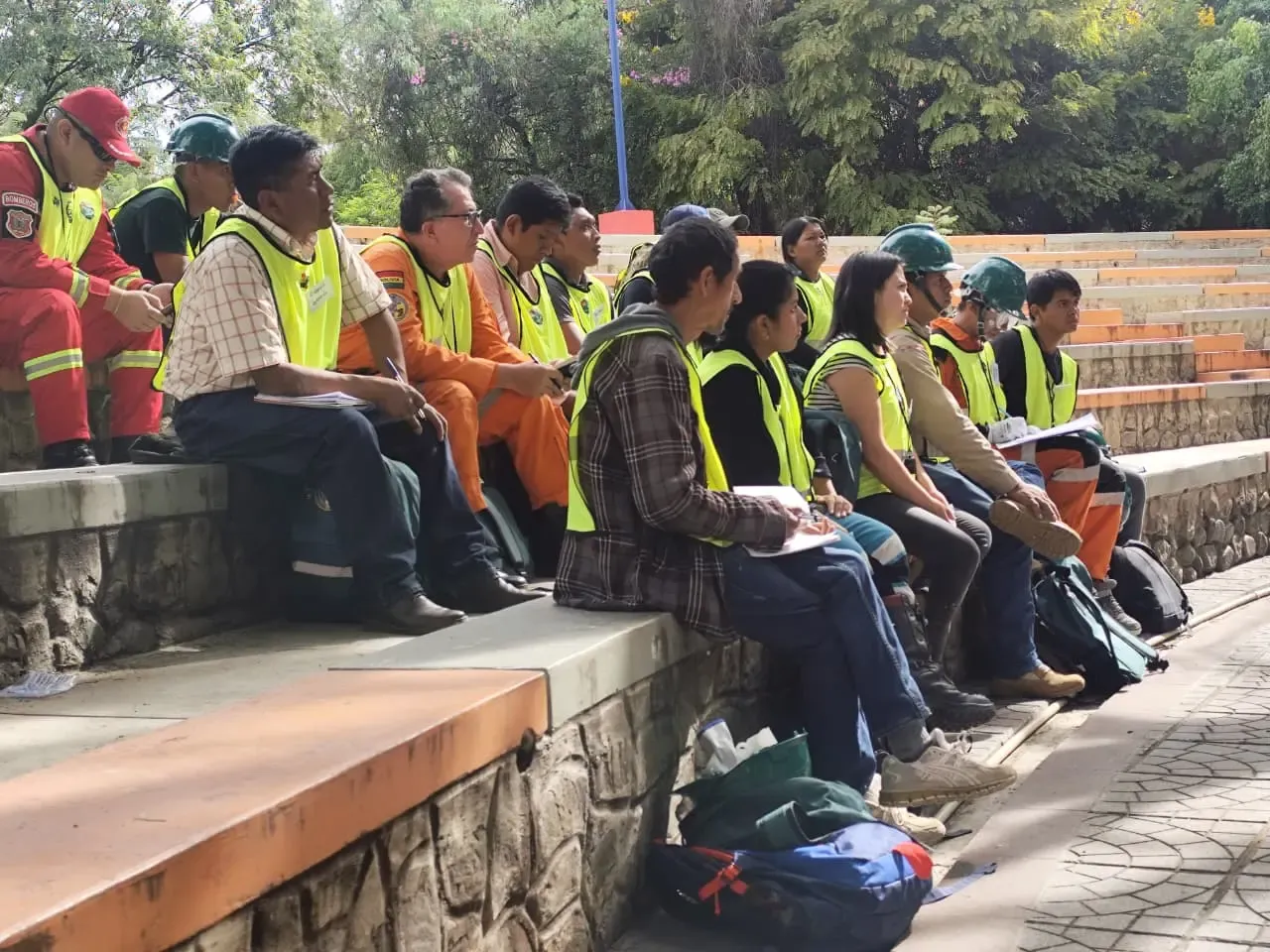
The cohort combined two profiles: Indigenous and community leaders from vulnerable regions (Beni, Pando, Santa Cruz, Chuquisaca, La Paz, Potosí) and experienced emergency professionals from SAR Bolivia, the Police Fire Corps, UMSS, the Armed Forces and the Cochabamba regional government.
- Disaster preparedness and community risk assessment
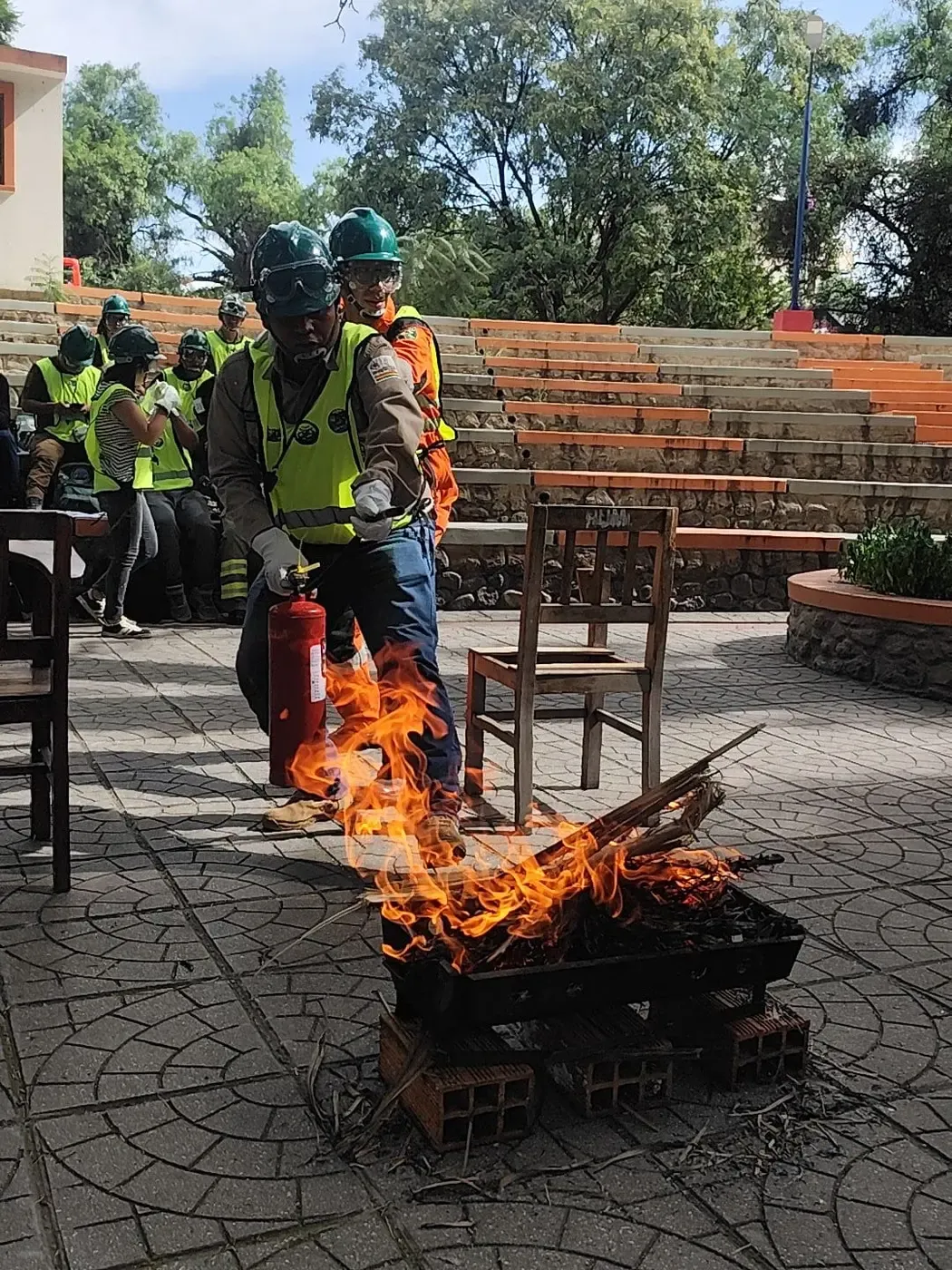
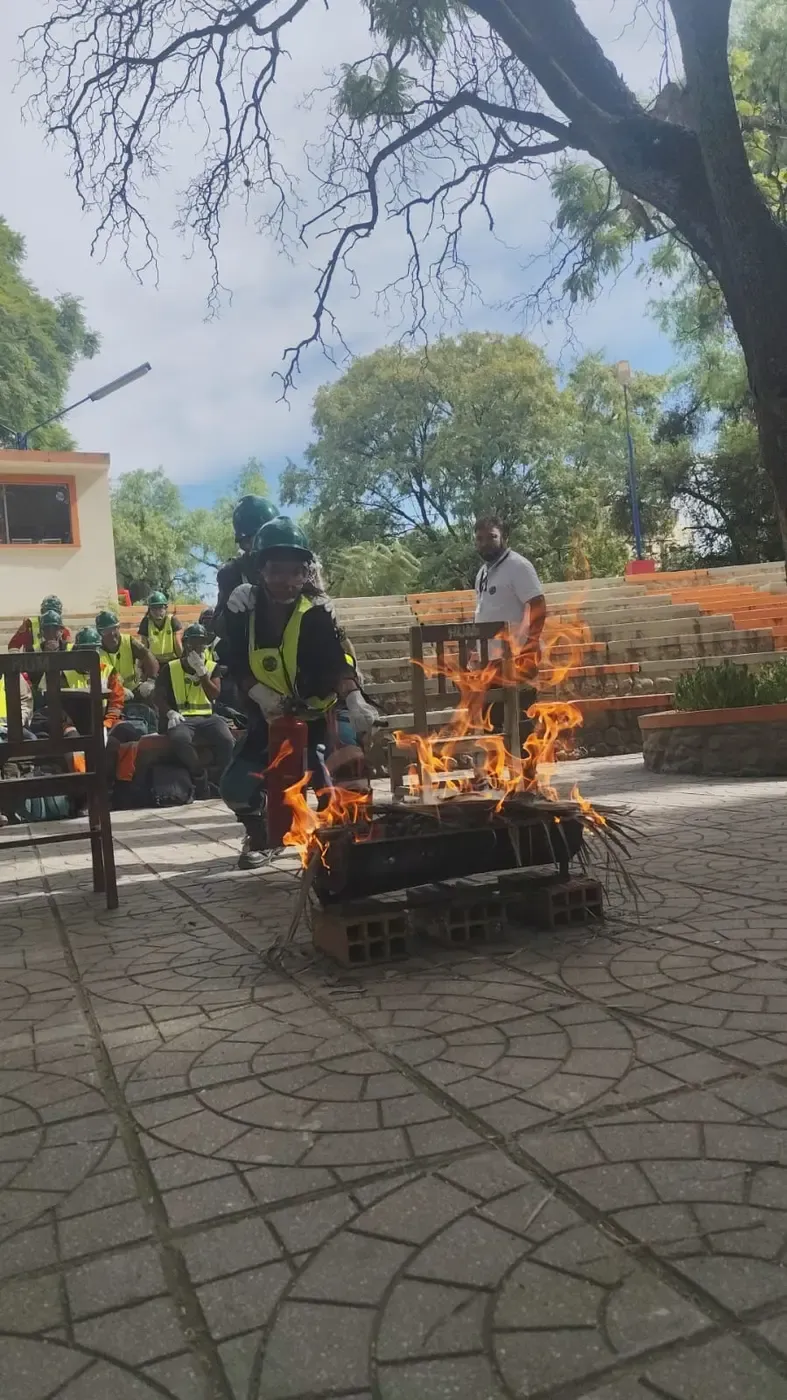
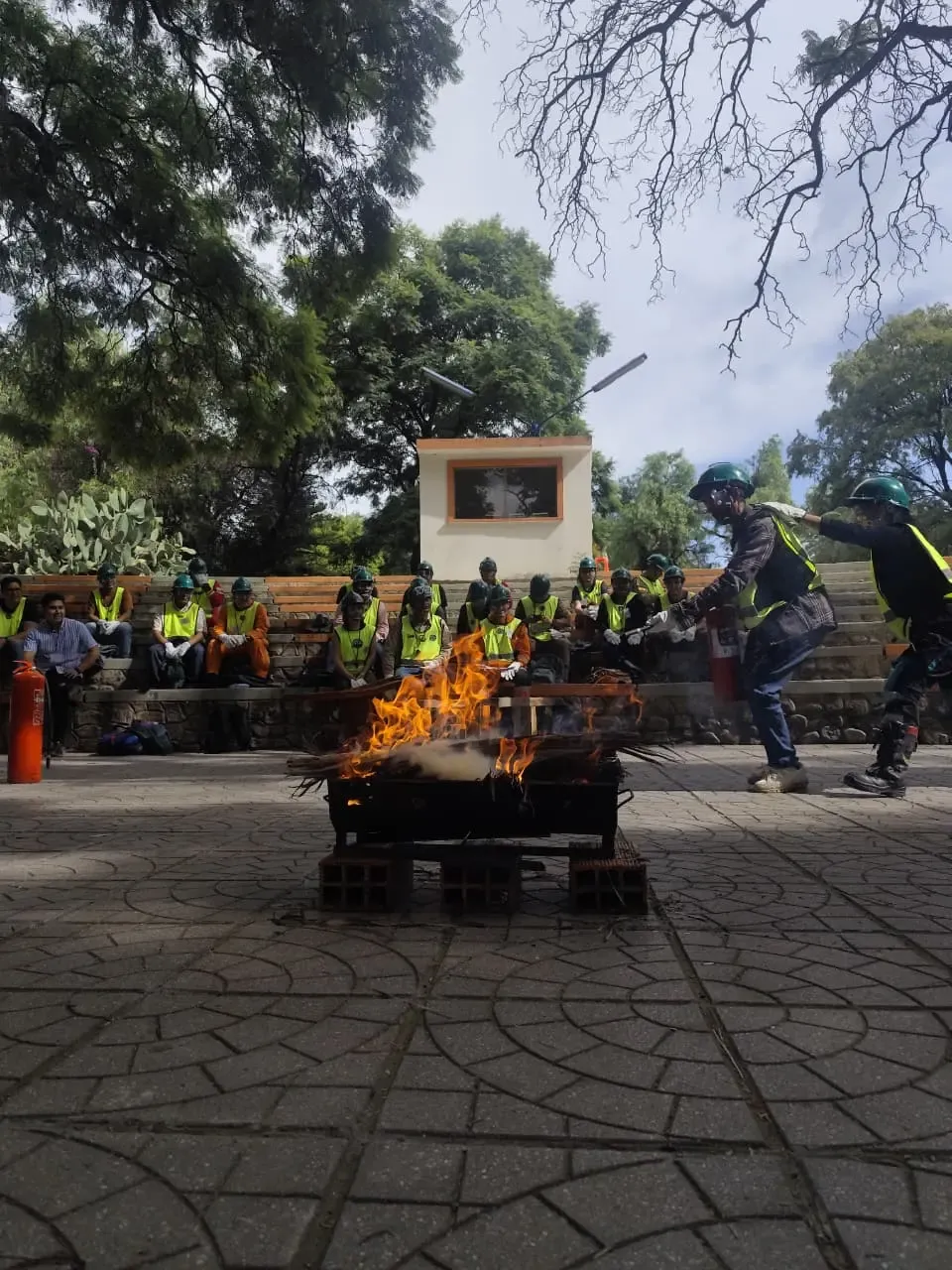
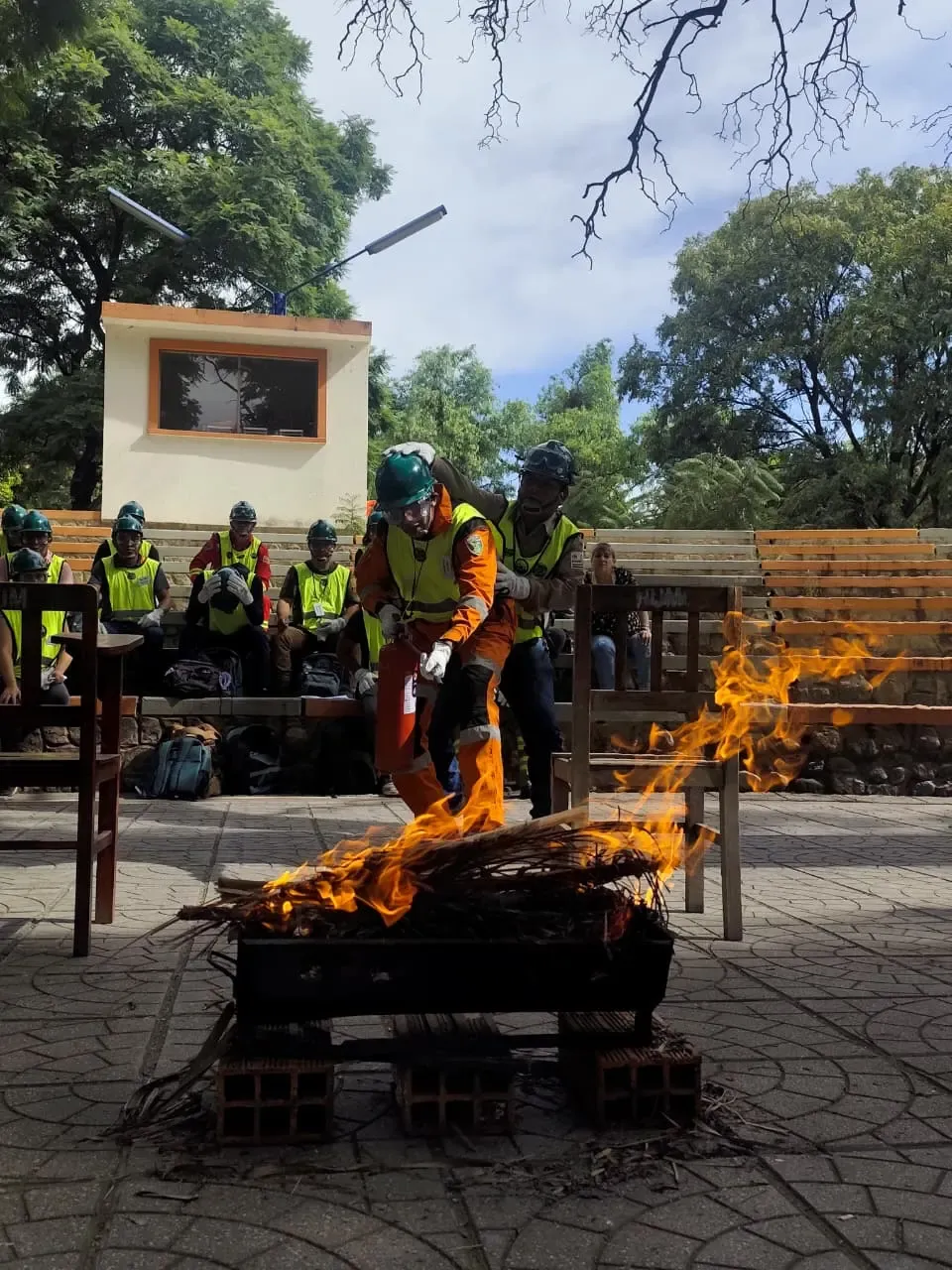
- Fire safety and prevention
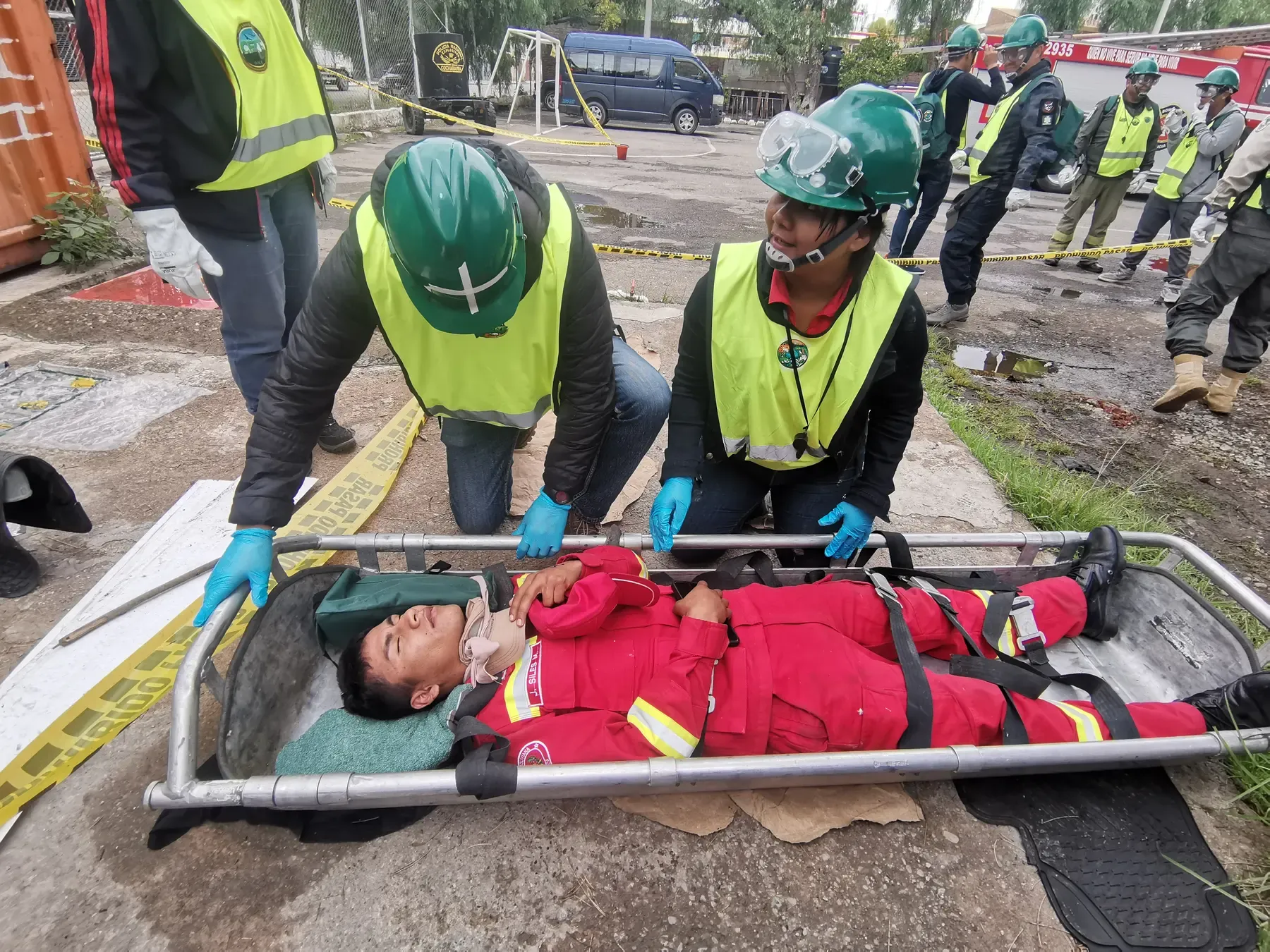
- Medical triage and first aid
- Light search and rescue operations
- Incident command and team coordination
- Disaster psychology and trauma-informed response
Field gallery
Measured results
- Confidence in disaster-response skills rose from 3.6 to 4.2 out of 5.
- Confidence in the ability to teach rose from 4.1 to 4.4 out of 5.
- The first 10 assessed trainers alone project more than 280 direct beneficiaries; if all 25 replicate, between 500 and 700 in the first cycle.
- A single trainer, from the K9 Fire Corps in Santa Cruz, coordinates more than 50 communities in the Chiquitanía.
- 9 out of 10 assessed trainers want to sign a formal cooperation agreement.
Participant voices
Less than three weeks after being certified, he delivered the first community CERT training in the history of Bolivia, on March 13, 2026.
She coordinates more than 50 communities in the Chiquitanía and is calling for a formal, larger-scale alliance.
He asks for printed materials — leaflets, posters, manuals — because many remote communities lack reliable internet access.
What's next
- CERT Kids: a possible school program with the Cochabamba regional government.
- Interest from the Armed Forces in bringing CERT principles into military instruction.
- Advanced modules with SAR Bolivia to deepen technical capacity.
- Printed materials for communities without reliable internet access.
- Formal cooperation agreements to scale nationwide.